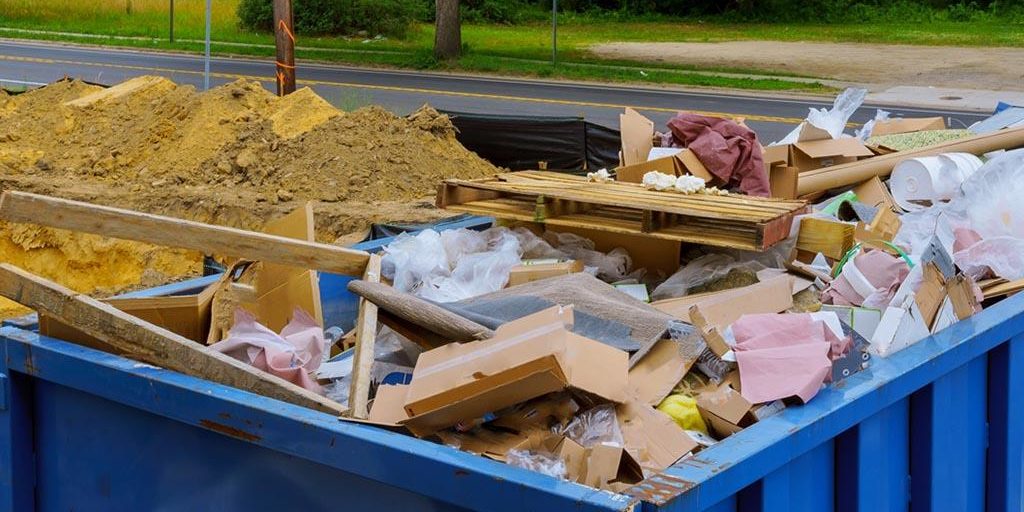
Construction contractors face increasing pressure to deliver projects on time, within budget, and to necessary safety standards. Yet one critical aspect often gets overlooked until problems arise: waste disposal. Understanding how to manage construction waste can help you meet your project needs while protecting your reputation, your profit margins, and the environment.
Modern construction generates a sizable amount of waste, and disposal requires careful planning and specialised knowledge. Getting this right from project inception prevents costly delays, ensures regulatory compliance, and can save money through smart recycling practices.
The True Cost of Poor Waste Management
Many contractors don’t recognise the impact of inadequate waste disposal on their projects until it’s too late. Unpredictable disposal costs can quickly erode your profit margins, and regulatory violations result in fines and project shutdowns, which further increase financial pressures and can damage your reputation.
Poorly stored waste and hazardous materials compromise site safety, and cluttered work areas increase accident risks, creating serious health hazards for your workforce. These safety issues translate directly into insurance claims, productivity losses, and potential legal liability.
Project timelines suffer when waste disposal isn’t coordinated effectively. Overflowing skips halt work, emergency collections disrupt schedules, and compliance issues can trigger regulatory inspections, bringing projects to a standstill.
Aside from the financial costs, improper disposal of construction material increases pollution and CO2 emission levels, harming the environment and polluting air and water sources.
Construction Waste Categories Every Contractor Should Know
Different waste types require tailored approaches, and mixing incompatible materials can turn manageable disposal costs into expensive problems.
Inert Materials and Rubble: Concrete, bricks, stone, and ceramics represent the bulk of construction waste. These materials often qualify for recycling when kept clean and properly isolated. However, contamination with timber, metals, or packaging can render entire loads unsuitable for recycling, forcing expensive landfill disposal.
Clean concrete and masonry can be processed into recyclable aggregate, offering cost savings and environmental benefits. The key lies in maintaining separation from other waste streams throughout the construction process.
Timber and Wood Products: Wood waste requires careful categorisation before disposal. Clean, untreated timber often qualifies for recycling or biomass processing, whilst treated woods may require specialist handling. Painted timber, particularly from older buildings, can contain hazardous substances that need specific disposal processes.
Training teams to separate clean timber from treated or painted wood can lower disposal costs and increase recycling potential.
Metal Fixings: Steel, aluminium, copper, and other metals hold significant recycling value when properly sorted. Clean metal waste can offset disposal costs, whilst contaminated metals may require specialist handling.
Creating dedicated collection points on site maximises recovery value whilst preventing contamination of other waste streams.
Packaging and Lightweight Materials: Cardboard, plastic wrapping, and packaging materials accumulate quickly during construction projects. These materials create site hazards when not managed regularly. Keeping these materials separate enables easy recycling and reduces overall disposal volumes.
Hazardous Waste Streams: Asbestos, lead-based materials, chemical containers, and similar substances require specific skip hire through certified contractors. These materials cannot mix with general construction waste and must follow strict documentation and handling protocols.
Selecting the Right Skip Solutions
Choosing appropriate builders’ skips involves balancing waste volumes, material types, site constraints, and collection logistics to optimise efficiency and costs.
Capacity Planning Strategies: selecting the right skip for your project prevents overflow issues and unnecessary costs associated with oversized containers. Most contractors benefit from estimating expected volumes and then adding a 20% contingency for unexpected waste.
Size Selection Guide
- Smaller 4-tonne midi skips are suitable for residential renovations and projects with limited site access, perhaps you’re clearing a room in your home or managing a small project.
- Medium builders’ skips are a great choice for larger home improvement projects such as a kitchen refit.
- Roll-on/off skips are a good optionfor commercial skip hire. These heavy-duty three and 6-foot skips are suitable for dense materials like rubble and bricks, with a maximum capacity of 9-22 tonnes.
Contact our friendly team to discover what you need for your next project.
Site Access and Logistics
Skip placement affects site efficiency, drop-off, and collection. Consider access routes for delivery vehicles, overhead restrictions, and ground conditions. You may also need a permit if you plan to place the skip on a road. Early applications to your local council can help prevent complications that may disrupt your schedule.
Regulatory Requirements
Waste disposal regulations protect environmental and public health, but can feel complex and overwhelming for busy contractors. Understanding key principles and working with accredited suppliers, like Batesy Skip Hire, simplifies compliance and protects your business from sanctions.
Documentation and Duty of Care: Every waste transfer requires proper documentation that demonstrates responsible handling throughout the disposal chain. Waste transfer notes, carrier licences, and disposal facility permits create an audit trail that protects contractors from liability. Maintaining records proves due diligence and provides evidence of compliant disposal practices.
Material Classification Systems: Waste classification determines appropriate disposal routes and regulatory requirements. Hazardous materials require specialist handling, licences, and tracking systems. Non-hazardous waste offers more disposal flexibility but still needs proper categorisation.
Understanding classification requirements prevents accidental breaches that can result in significant penalties and project disruptions.
Cost-Effective Waste Strategies
Considered waste management reduces disposal costs whilst supporting project efficiency and environmental objectives.
Maximising Recycling Value
Clean, separated materials command better recycling rates and lower disposal costs. For example, concrete and masonry free from contamination can often be processed as recyclable aggregate, significantly reducing disposal expenses compared to mixed waste loads.
Working with skip hire providers that take recycling seriously helps you minimise costs and meet your business obligations while taking care of the planet.
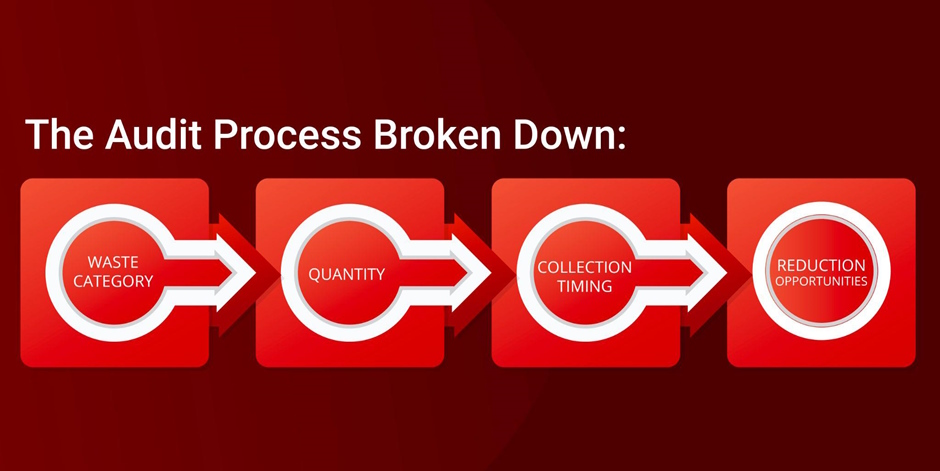
Waste Audit
Consider conducting a waste audit for your construction site to gain a better understanding of the amount of waste generated, the primary types of waste created by your business, and a plan to reduce this.
Your waste audit should outline the following:
- Waste category
- Waste quantity
- The amount and type of waste generated at each stage of the project
- Ways to reduce or reuse your construction waste
Once you’ve considered these factors, you should analyse the results to give you a clearer picture of your needs. This will help you time your waste collections, avoiding backlogs and safety hazards on-site.
Working with Professional Waste Partners
Construction projects demand flexible waste services that adapt to changing schedules. Choose partners with robust recycling programs and waste processing facilities that can offer better rates while ensuring maximum environmental benefits.
At Batesy, we’re familiar with disposal regulations, recycling facility requirements, and permit procedures. This expertise simplifies compliance whilst ensuring appropriate disposal routes for all material types.
How do I find Rubbish Removal Services Near Me?
When contractors across Belfast, Antrim, Bangor, and the surrounding areas need reliable skip hire solutions, they choose providers like Batesy, which combine availability with far-reaching recycling capabilities.
Batesy Skip Hire Limited: Experts in Waste Removal
Construction projects require flexible waste services that accommodate your schedule. Choose a partner with robust recycling programs and waste processing facilities that can offer better rates and guaranteed environmental benefits.
At Batesy, we support contractors across Belfast, Antrim, Bangor, and surrounding areas who need reliable skip hire solutions. Skip the guesswork and contact us today to find a waste disposal solution for your project.